
Why Jade Is Harder to Value Than Gold: A Complete Guide
Unlike gold, which has a standardized global market price, jadeite jade is much more complex to evaluate. Gold is traded daily with clear pricing based on weight and purity, making it easy for buyers to understand its value. In contrast, jade is a natural gemstone whose worth depends on multiple unique factors, including color, transparency, texture, craftsmanship, and rarity.
Because jade is not traded on a unified international exchange, its pricing is not fixed. Each piece must be evaluated individually, which makes jade both more complex and more fascinating than traditional precious metals.
Key Factors That Determine Jadeite Value
1. Transparency
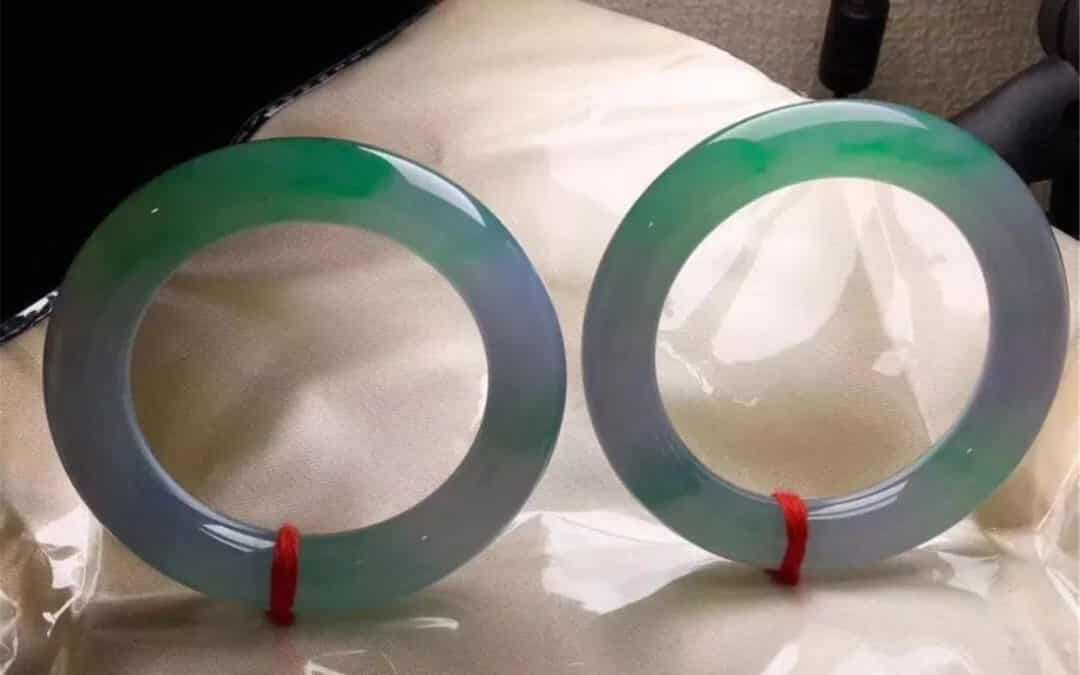
Transparency is one of the most important indicators of jadeite quality. The more translucent the jade, the higher its value. The finest jadeite, often referred to as glass jade, has a crystal-clear appearance and is extremely rare, making it highly desirable among collectors.
Jade with moderate transparency, commonly known as icy jade, offers a balance between beauty and affordability. At the lower end, opaque or milky jade is more common and suitable for everyday wear.
2. Color
Color is a defining factor in jadeite valuation. Jadeite appears in a wide range of colors, including green, lavender, white, yellow, red, and black. Among these, green is the most valuable, especially the vivid and evenly distributed imperial green.
The intensity, purity, and uniformity of color all influence value. Rare multi-colored jade pieces can also command higher prices due to their uniqueness and artistic appeal.
3. Texture and Structure
High-quality jadeite features a fine, smooth, and dense texture. The internal crystal structure should appear tightly interwoven, giving the stone a refined, polished look and a pleasant tactile feel.
Coarse or uneven texture can reduce both visual appeal and market value. Buyers often prefer jade that feels smooth and looks consistent under light.
4. Craftsmanship
The craftsmanship of a jade piece plays a significant role in its final value. Skilled carving, precise shaping, and high-quality polishing can greatly enhance the beauty of jade.
Well-crafted jade jewelry or carvings not only look more attractive but also reflect the artisan s expertise, making them more desirable in the market.
5. Defects and Imperfections
Natural jade often contains internal inclusions, but visible defects can significantly impact its value. Common imperfections include:
- Cracks the most critical factor, as they affect both durability and price
- Black spots or mineral impurities
- Uneven texture or cotton-like inclusions
While minor inclusions are acceptable in natural jade, larger or more visible flaws can greatly reduce its desirability and market price.
6. Origin and Rarity
The origin of jadeite also influences its value. High-quality jadeite from Myanmar (Burmese jade) is considered the finest in the world due to its superior color and texture.
Because gem-quality jadeite is rare, especially in larger sizes, scarcity plays a major role in determining its price. The rarer the piece, the higher its potential value.
7. Market Conditions
Unlike gold, jadeite prices are influenced by market demand, collector interest, and availability. Prices can fluctuate over time, especially for high-quality pieces.
To accurately assess jade value, it is important to compare similar items currently available in the market rather than relying on a fixed pricing standard.
Why Jade Valuation Requires Expertise
Evaluating jadeite is a complex process that requires experience and knowledge. Unlike gold, which can be measured purely by weight and purity, jade must be judged based on a combination of visual and structural qualities.
Even small differences in color, translucency, or texture can lead to significant price differences. For this reason, professional appraisal is often necessary when purchasing high-value jade.
Jade as Both Jewelry and Investment
Jadeite is not only admired for its beauty but also valued as an investment. High-quality jade has shown strong appreciation over time, particularly rar