
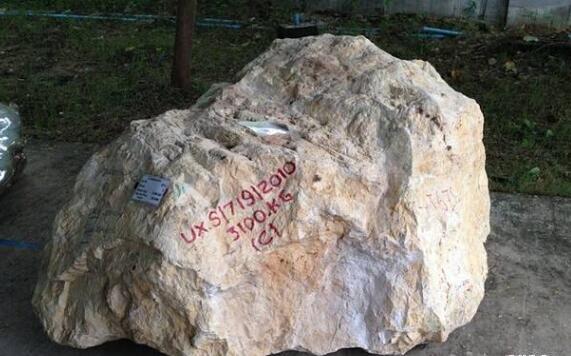
Burmese Jade Jewelry: Origin, Resources, and Global Value
When people hear the term Burmese jewelry, the first thing that comes to mind is jade. Myanmar is globally recognized as the primary source of high-quality jadeite, making Burmese jade one of the most valuable and sought-after gemstones in the world.
Although jadeite can be found in several countries, the finest gem-quality jadeite comes almost exclusively from Myanmar. This unique origin is one of the key reasons why Burmese jade holds such high prestige in both jewelry markets and collector communities.
Where Does Burmese Jade Come From?
The majority of jadeite deposits in Myanmar are located in Kachin State in the northern part of the country. The most famous mining area is Hpakant, which has produced some of the world s finest jadeite for centuries.
While the exact size of Myanmar s jade reserves is unknown, it is widely believed that the country holds the largest and most valuable jadeite deposits globally.
- Kachin State is the primary source of jadeite mining
- Hpakant is the most *M08?&M’ jade mining region
- Myanmar produces the majority of the world s gem-quality jadeite
- Mandalay serves as a major jade trading hub
Mandalay: The Heart of the Jade Trade
Mandalay, one of Myanmar s largest cities, plays a central role in the jade trade. It is a key marketplace where raw jade stones and finished jade products are bought, sold, and distributed to international markets.
Traders, collectors, and buyers from around the world gather in Mandalay to source jade. The city has become a global center for jade commerce, linking Myanmar s mines to the international jewelry industry.
Jade as Myanmar s National Treasure
Jade is often considered a national treasure of Myanmar due to its economic and cultural importance. The jade industry contributes significantly to the country s economy through mining, trading, and export activities.
Jade is used to create a wide range of products, including:
- Fine jewelry such as bangles, pendants, and rings
- Carvings and sculptures
- Decorative and collectible items
Beyond its economic value, many people believe jade carries protective and spiritual qualities, further increasing its appeal worldwide.
Government Regulation and Jade Mining
In recent years, the Myanmar government has taken steps to regulate the jade industry more strictly. Mining rights are increasingly controlled, and foreign involvement in mining has been limited.
Since around 2010, the government has also organized official jade auctions to reduce illegal trading and improve transparency. These auctions ensure that jade transactions are conducted through regulated channels.
Export regulations now require official permits and authentication, helping to maintain quality standards and prevent illegal exports.
Are Jade Resources Running Out?
As high-quality jadeite becomes increasingly rare, there is growing concern about the depletion of jade resources. Mining areas such as Hpakant are producing less high-grade material than in the past.
This means:
- Mining costs are increasing
- High-quality jade is becoming harder to find
- The value of fine jade is rising over time
Although some estimates suggest that jade mining could continue for many decades, premium-quality jadeite is already becoming scarce.
Environmental Impact of Jade Mining
Jade mining has also raised environmental concerns. Large-scale extraction can lead to land degradation, landslides, and ecological damage.
As a result, stricter regulations and occasional mine closures have been implemented to reduce environmental risks and improve sustainability.
For example, certain mining areas have been temporarily closed in recent years, affecting supply and contributing to price increases in the global jade market.
Why Burmese Jade Is So Valuable
Several factors contribute to the high value of Burmese jade:
- Origin: Myanmar produces the finest jadeite in the world
- Quality: Superior color, translucency, and texture
- Rarity: High-quality j