
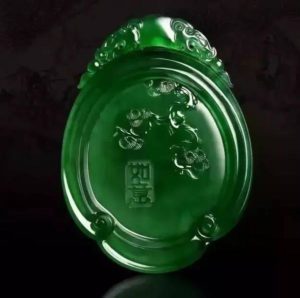
What Is Jadeite Jade? A Complete Guide to One of the World s Most Valuable Gemstones
Jadeite jade is one of the two minerals classified as jade, the other being nephrite. Among the two, jadeite is rarer and often more valuable, especially in high-quality forms. Known for its vibrant colors, smooth texture, and exceptional durability, jadeite has been highly prized for centuries and remains one of the most sought-after gemstones in the world today.
Although jadeite can be found in several countries, the finest quality jadeite comes primarily from Myanmar (Burma). Burmese jadeite is widely regarded as the best due to its superior color, translucency, and texture.
Key Features of Jadeite
- Chemical Composition: Sodium aluminum silicate (NaAlSi‚O†)
- Crystal System: Monoclinic
- Structure: Dense, granular to fibrous aggregates
- Color Range: Green, white, lavender, yellow, red, black, and blue
- Transparency: Transparent to opaque
- Luster: Glassy to greasy
- Hardness: 6.5 7 on the Mohs scale
- Toughness: Extremely high, making it resistant to breaking
- Specific Gravity: Approximately 3.34
Jadeite vs Nephrite: What s the Difference?
While both jadeite and nephrite are considered jade, they differ significantly in composition and value. Jadeite is rarer and typically displays more vivid and varied colors, especially the highly prized emerald-green known as imperial green.
Nephrite, on the other hand, is more commonly found and usually appears in softer shades of green, white, or grey. Although nephrite is also durable and beautiful, jadeite is generally considered more valuable in the global gemstone market.
Colors and Appearance of Jadeite
Jadeite is known for its wide range of colors, making it one of the most visually diverse gemstones. While green is the most famous and valuable color, jadeite can also appear in lavender, white, yellow, red, black, and even blue.
The most valuable jadeite features strong, vivid color with even distribution and high translucency. Fine jadeite often exhibits a glowing, almost glass-like appearance, which significantly enhances its value.
Properties and Uses of Jadeite
Jadeite is admired for its smooth, cool touch and waxy to glassy luster. Its dense structure and toughness make it ideal for carving and shaping into jewelry and decorative objects.
It is commonly used to create bangles, pendants, rings, earrings, and intricate carvings. Due to its durability, jadeite jewelry can be worn daily while maintaining its beauty over time.
Beyond jewelry, jadeite has also been used historically for sculptures, ceremonial objects, and artistic works, reflecting its cultural and artistic significance.
Cultural Meaning and Symbolism
Jadeite holds deep cultural significance, particularly in Asian traditions. It is often associated with qualities such as harmony, protection, prosperity, and longevity. For centuries, jade has been worn as a symbol of good fortune and moral virtue.
In many cultures, jade is bel